
Late season turkey hunting can test the meddle of even the most seasoned hunters. Conventional wisdom often paints the late season as a waste of time due to a host of reasons including: the birds just don't work anymore, the birds "get weird", or it's too hot and buggy, or simply "I'm over it", are just a few reasons hunters skip the late season.
If you love turkey hunting it seems silly to not take advantage of late season dates that may push into early June in some states. There are nearly always plenty of leftover tags in quota zones and with far less hunting pressure, it's easier to gain access to private ground by banging on doors and asking nicely, not to mention the chaos of public ground has largely come and gone.
The fact of the matter is that wild turkeys still breed well past the allotted hunting season dates for a host of reasons. True, it can be a matter of feast or famine from a hunter's standpoint with bird activity often restricted from fly-down to maybe an hour or two afterward, and oppressive heat and high sun is notorious for shutting things down. Plus, birds are often ragged and sort of over it themselves.
After being in full-on breeding mode for weeks on end it's easy to understand why gobblers want to take a long siesta. However, the fact remains these birds are hardwired to breed as-long-as hens show interest. Once the second half of May rolls around, most hens are overwhelmed with nesting duties and dodging predators. When full-time incubation begins, hen activity is usually restricted to very short soirees from the nest during morning and evening to eat and drink.
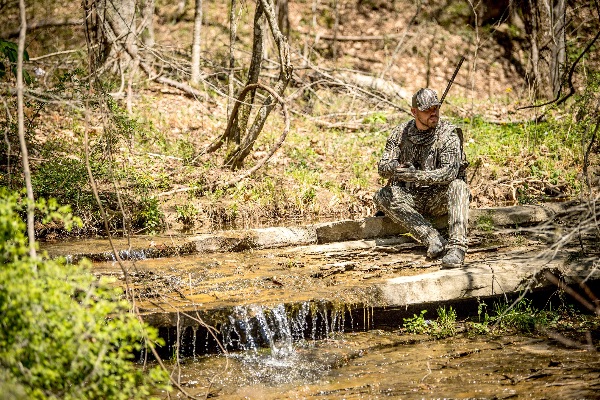
During the late season, periods of moderate to heavy rain (inclement weather in general) will nearly always lock hens on the nest to protect their precious eggs. Toms may shadow hens for a bit, but it's clear she ain't into them, so they may take a short lap and cruise around the landscape looking to meet the acquaintance of a new gal.
This is a great time to gut it out for a stud longbeard that will walk brazenly through snotty conditions to get to a hot hen. In the big scheme of things, it's not very difficult to win over the hearts of toms quickly because they've had enough of tending a little patch of scrub brush waiting for nested hens to come out.
It's critical to make some adjustments, because, while the boys may not be henned-up like they were a few weeks ago, they are still battle-hardened warriors who have seen every trick hunters pull on them: Every silly calling routine, every decoy, and every slammed door at o-dark-thirty has been logged away into those little turkey brains. This is not time for mistakes or taking things for granted. Each tagged gobbler is hard-earned and worthy of effort. Some hunters love the late season like no other time of the season - this writer included. Less pressure, easier conditions, lots of vegetation to screen you from the birds, leftover tags are still available in many states, and as a bonus, it's one of the prettiest times in the woods.
Skip the golf t-time and it's okay to go to the kid's baseball game wearing camo. Pro turkey hunters grind from the beginning to the end, and Blocker Outdoors' select crew of OG experts is no different. And, when it comes to the late season count them, albeit, with a few more rules to take into consideration. Recently, Nate Hosie and Randy Birdsong of HeadHunters TV, and Jason Powell of Jason Powell Outdoors answered a few questions regarding the intricacies of late turkey season.
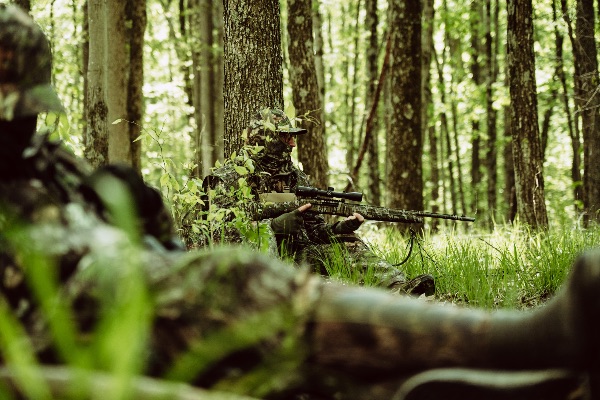
Question: What are some of the adjustments you make in tactics (if any) during late season?
Nate: I try to gear it down a bit. Softer calling and reading what each individual turkey wants to hear. Late season, pressured turkeys can be tough sometimes, so I'm constantly adjusting calling, decoy setups, and the distance I try and set up from him. So, yeah, softer calling, sometimes just hen decoy, and with foliage try my best to set up in his bubble. The closer and less distance he must roll the better.
Randy: Later in the season I usually tone down my calling – a softer, less is more approach. Usually, we're dealing with pressured birds by then, so this approach will finish a bird better sometimes. Also, later in the year I'll opt to only use a single hen decoy rather than a combination with male decoys. They have fought for pecking order all spring, so the fight is often out of time by later in the season.
Jason: I use way more patience on a turkey, especially if I have a limited number of spots to hunt. If I know there is a bird in the area and it's not gobbling a lot, but I don't have a lot of places to check for a bird that is still gobbling, I will sit still a lot longer. Now, if it's hot and sunny, I find shade and water. If available, creek bottoms are always a good spot to hunt as well. I will still call, often blindly, but I don't get very aggressive. I'm not burning the woods down with my calling, just normal volume communication.
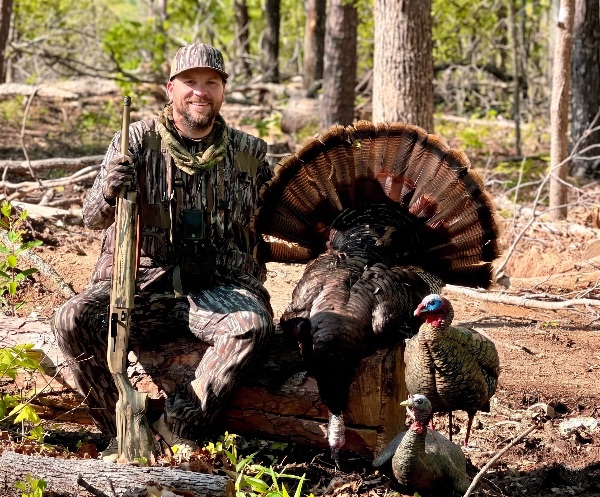
Photo courtesy of HeadHunters TV
Question: Do you have any late season destinations you like to travel to for turkey, or do you stay closer to home? Without giving away too much intel, maybe just touch on why a given location appeals to you. For example, I love Wisconsin because there are plenty of leftover tags in zones with tons of birds and relatively easy access. Plus, the fishing is good!
Nate: Late season I love home in Pennsylvania. I get to be home with my wife and little boys, and I love the woods I grew up hunting and it gives me time to get out with all my family and friends at home. Always a special time of year – there's no place like home come turkey season!
Randy: I like to finish my spring in the northeast. With Nate living in PA – that season usually starts around the first part of May. It gives us a good late season option after many destinations are closed in the South and Midwest.
Jason: For late season road trips, you can't beat northern destinations. The New England states are by far some of the most beautiful places a turkey hunter can travel! I really like to hunt my home turf with friends and family as much as possible, so I tend to stay close to home during the late season.
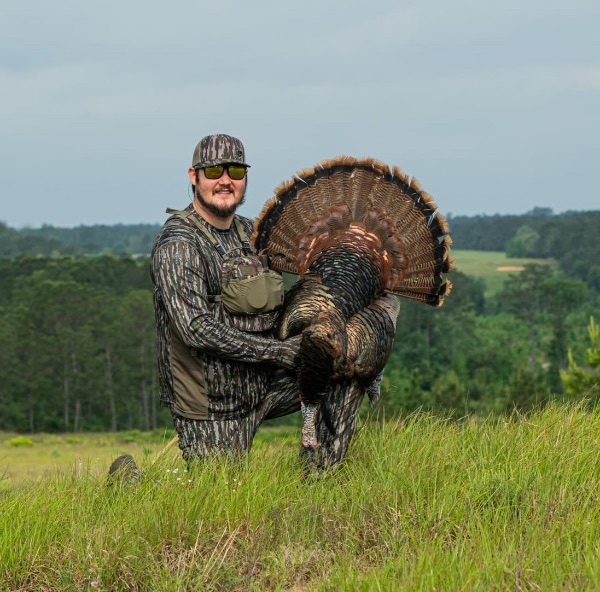
Photo courtesy of HeadHunters TV
Question: If you could give new turkey hunters advice on hunting late season birds what would it be?
Nate: Take your time, don't rush the hunt. Add as much realism to your set up as you can, including soft calling and do your best to get in his bubble. A lot of times, during late season, the less distance he has to travel to get to you the better.
Randy: I think the advice would be less is more. Later in the season the birds could be a touch lethargic, so I think you have-to dial back your whole approach, use more patience and be less aggressive throughout the entire hunt, from calling to the set ups – all aspects you can control.
Jason: For those that are still learning, the late season is where the patience that everybody constantly preaches will pay off. You WILL find a hot bird once in a while, and if you have limited access to hunting spots, this is the time in the season where waiting on a bird longer will pay off! Don't get too aggressive with your calling, go light with your decoy spread with a hen or two, and try to be where the birds are going. Just be patient and confident! Every experienced turkey hunter will tell you about the times they thought it was time to move and they bumped a bird. If only they'd sat just a little bit longer!
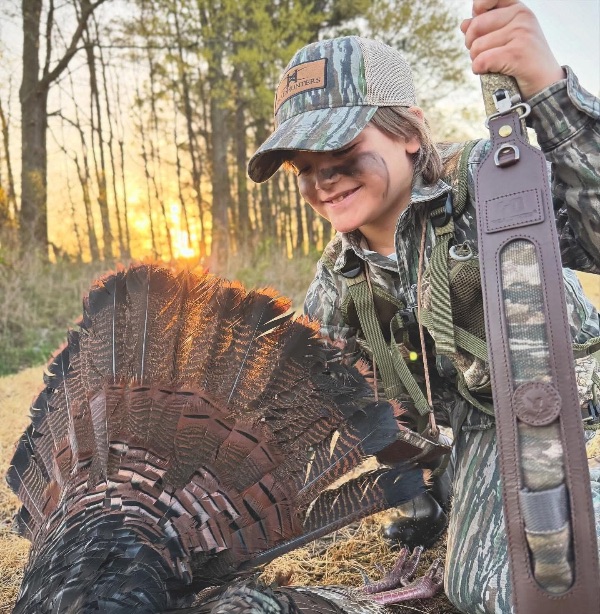
Photo courtesy of HeadHunters TV
While the late-season may not be for everyone, there has never been more turkey hunting opportunities, and the late-season is about as easy going as hunting gets. Oh, and be sure to take a fishing rod with you…fishing is usually pretty good too!
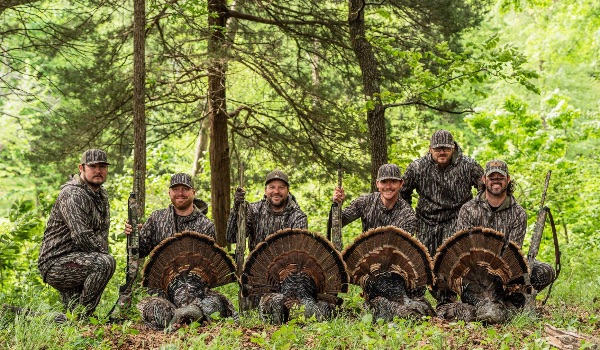
Photo courtesy of HeadHunters TV