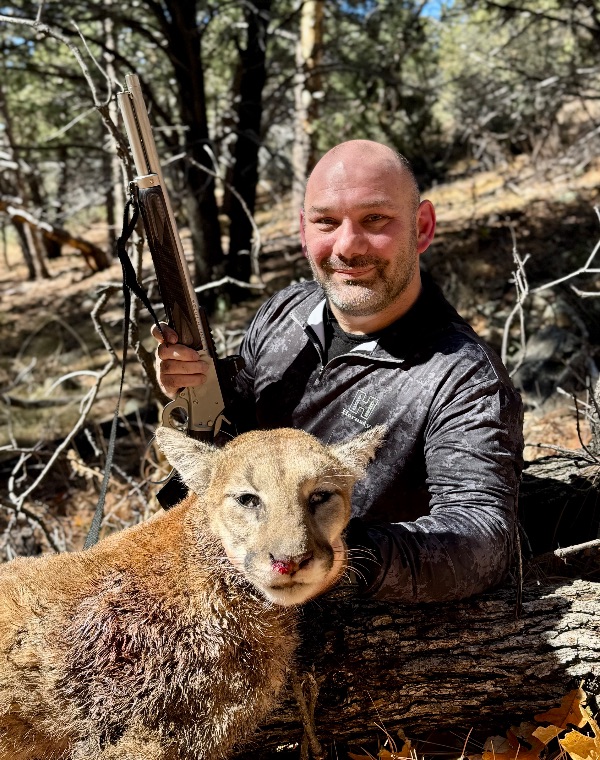
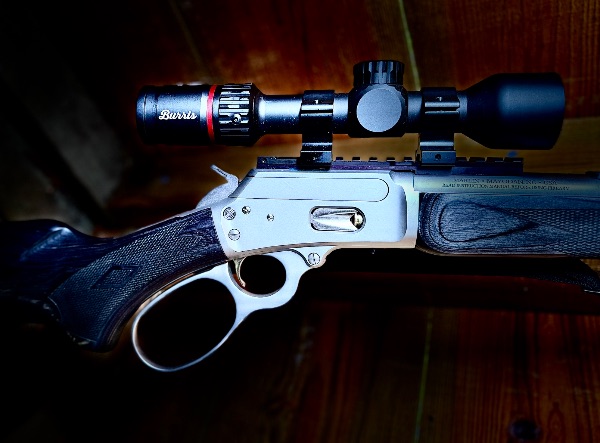
My Marlin 1894 .44 Magnum is the epitome of a hunting rifle to me.The people who built it absolutely understood why I was hundreds of feet deep in an Arizona canyon chasing a mountain lion. They understood why my heart was pounding and why I was shaking like a leaf when I finally shouldered that rifle and took aim at a cat at close range.They may never know exactly where that rifle went or what happened when it got there. But I believe they understood the kind of moment they were building it for.That matters to me.Anyone can build a firearm. But only people who understand hunting can truly build a hunting rifle. This Marlin became mine in that Arizona canyon.
It matters who makes your hunting rifle.
I’m not talking about brand or technical specs, the machining, the carbon fiber, or the weight. Those things matter, but they don’t truly define a hunting rifle. I’m talking about the people.
We focus on numbers: group size, barrel length, velocity. Those things tell us what a rifle can do, but they don’t necessarily tell us what makes one special. After years of owning rifles and meeting the people who build them, I’ve come to believe there’s something no specification can measure.
Heart.
And I don’t think we should be embarrassed by that word or dismiss the emotional attachment we develop to these things. Hunting itself makes very little sense without emotion. Wanting the experience without the feeling would be like eating food without taste. Sure, you’d still get the nutrition, but you’d miss most of the reason we enjoy eating in the first place. No one orders ice cream for its nutritional value ...
Maybe hunting rifles are like that, too. Maybe the things we can’t measure are part of the point.
Maybe I’m romanticizing all of this. Maybe a rifle really is nothing more than a cold, mechanical tool designed to perform a job, and everything else is something we hunters invent and attach to it afterward.
I’ve been on hunts where I was handed a rifle, checked the zero, learned the safety, and went into the field. Whether it was for deer, elk, or something abroad, I’d hunt, unload, wipe the firearm down, and hand it back. It would return to its case and the manufacturer.
And that’s that. The gun returns as if nothing magical ever happened. That’s always felt strange to me, because something did happen. Hunting, done for the right reasons, is intimate. There’s anticipation, excitement, responsibility, adrenaline, and sometimes disappointment or joy, often all at once. None of it makes sense without emotion. And in the midst of it all is the firearm. In that crucial moment, the rifle is in your hands, and then it’s over. Whether you’ve carried it for years or just days, the rifle was part of something important. Handing it back feels strange, like returning a rental car after a meaningful journey.
Thanks. Worked great. See you next time.
Maybe rifles don’t hold souls, but they carry pieces of ours. That’s why they aren’t just tools, like screwdrivers or axes.
A hunting rifle might stay with us for life, unlike most things we buy. You might carry it for decades, through milestones and memories, your first deer, your last elk, places you dreamed of as a kid. Someday you might hand it to your child. Long after you’re gone, someone may remember you by it. That’s a responsibility for those who build them.
That’s why I started the Maker’s Series.
I wanted to know the people behind the rifles, not just company presidents, but the engineers, machinists, and assemblers making something that becomes part of someone’s story. I wanted to understand the why behind the what. Touring places like Leupold left an impression. Specs tell you what they built, but seeing the people tells you why they built it. Machinery is the same everywhere. What matters is the people, their stories, what they hunt, the rifles they carry. That’s when you realize someone truly cared. That’s what I sought: the makers themselves.
The same Marlin 1894 that came through for me in front of a mountain lion is the same rifle I trust to protect my home and hunt my property in Virginia. Why? Because I trust it, and the people who make Marlin rifles know I need to. That matters, and it shows in the craftsmanship, functionality, and feel of it.
Craftsmanship is about people, not machines.
I’ve spent money on rifles that weren’t the most accurate. Others may have been better on paper, but I knew who built the one I chose. I’d met the people behind the company, talked hunting with them, and learned what they cared about. I trusted them, so I bought their rifle, with my own money. Maybe I’m a fool for that. Maybe not. But hunting isn’t rational for me. If it were just about efficiency, none of us would go through all the trouble for a chance at an animal. We do it because it matters to us.
So why shouldn’t the people who build the rifle matter too? They do. Why? Because I believe something simple: Anyone can make a firearm, but only a hunter can make a hunting rifle.
You don’t have to hunt every season, but you do need to understand what you’re building and why. A firearm can be engineered. A hunting rifle has to be understood. You have to know why a scratched stock isn’t just damage; it’s memory, a story. You have to understand why someone carries the same rifle for decades; because it was there for their first, their biggest, or their last hunt with Dad. That’s what interests me: the people behind the rifles.
I’ve met engineers, gunsmiths, and factory workers who care deeply about their craft, even if they never meet the hunter who buys the rifle. That matters because a hunting rifle eventually becomes something its makers can never manufacture. They become ours. We add the scratches and the wear. We carry them through years of hunts, miss and succeed, loan them to friends, and eventually hand them to our children. Slowly, the rifle stops being a product and becomes a collection of memories, something far more valuable. That’s why heart and soul aren’t accessories. Those things have to be there from the beginning.
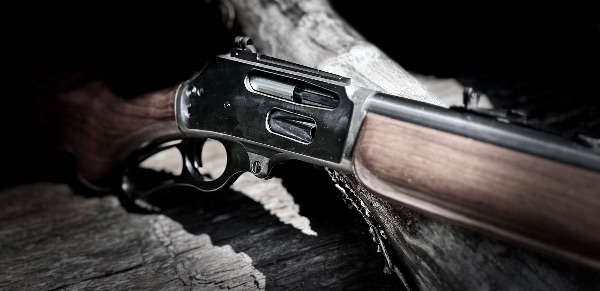
There’s something about my JM-stamped Marlin 336 that goes beyond steel and walnut, that little stamp carries generations of American rifle makers, deer camps, November mornings and a whole lot of heart. Ruger understood that preserving Marlin meant more than moving machines and tooling; it meant carrying the people, culture and spirit of a great American hunting rifle into another generation. Machines can build rifles, but people preserve legacies and the fact that Ruger somehow managed to preserve Marlin's soul while modernizing how it manufactures their lever guns is one of the great accomplishments in our industry.
This isn’t about expensive rifles. Price and brand don’t create soul. People do. Yes, accuracy and reliability matter. Materials and technology matter. But when I choose a hunting rifle, I ask another question: Show me who you are. Show me the people behind the rifle. Show me you understand why I’ll carry it. Show me your factory understands what you’re building becomes part of someone’s family. Show me that’s who you are, and I’ll choose you every time.
Maybe that’s overly romantic. Maybe it makes me a fool. Maybe not?
After all, if a hunting rifle were just a tool, we’d replace it every time something better came along. But we don’t. We keep them and hand them down because they’re ours. We carry them long after newer technology has passed them by, and eventually we hand them down. Not because they’re still the best rifles in the world, but because they’re our rifles.
Like I said: Anyone can make a firearm. But only a hunter can make a hunting rifle.