
I can’t complain about my life. Still, I sometimes wish I could spend as much time in the woods as a game camera.
And that’s really the definition of a good tool: doing the tasks we either can’t do or prefer not to do, so we can still live a balanced life.
Game cameras - especially cellular models - have completely changed the way we hunt just about everything. And that's evident to serious turkey hunters who use them to understand birds, habitat, and timing.
Why?
Because they see it all. Twenty-four hours a day. Seven days a week.
Game cameras don’t need a kitchen pass. They don’t have to ask for time off work or squeeze in a scouting trip between soccer practice and mowing the lawn. They sit quietly where we place them and simply watch.
They don’t overcall. They don’t move, twitch, sneeze, or snore either.
They just collect information.
And these days, with cellular technology, they send those little digital “Wish You Were Here” postcards straight to our phones.
So what does the perfect hunting partner actually do for us now?
To find out, I reached out to Dan Rensel, Regional Director for the National Wild Turkey Federation and a Pro-Staff member for SPYPOINT, to talk about how modern trail cameras, particularly cellular models, are changing the way turkey hunters scout birds and understand the ground they hunt.
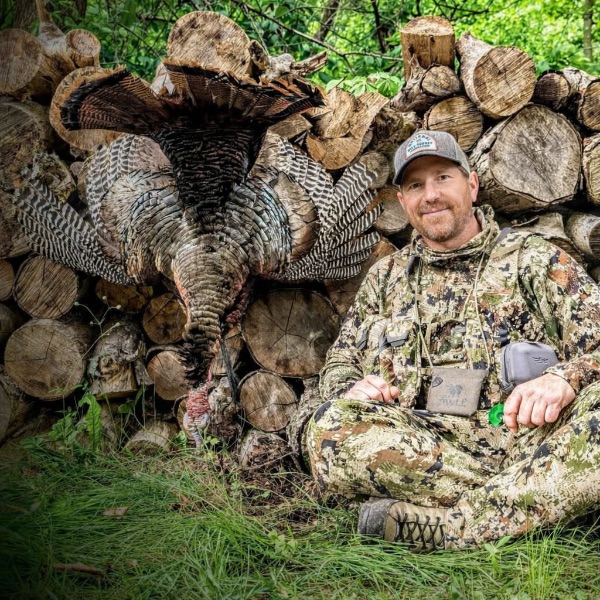
1. How can using a game camera help the average hunter learn more about their local turkey population?
Dan Rensel:
Game cameras help identify daily turkey movement patterns and show when and where birds are using specific areas throughout the day. Instead of relying on a fleeting visual count, cameras provide documented images that allow for more accurate population estimates.
They also reveal seasonal shifts. Turkeys don’t use the same areas year-round. Cameras show when flocks begin transitioning to breeding ranges, when they establish strut zones, and how their use of food sources changes through winter, spring, and summer. Over time, that data builds a much clearer picture of your local flock dynamics.
2. How does a game camera help a hunter understand turkey behavior better than in-person scouting?
Dan Rensel:
Boots-on-the-ground scouting has value, but turkeys are extremely alert and easily pressured. Human presence can alter movement patterns, especially near roost sites and strut zones.
Cameras allow hunters to observe without intrusion. You can learn when gobblers leave the roost, the routes they prefer, where dominant birds strut, and where hens feed, all without disturbing the area. That unpressured look often reveals higher-percentage locations that might otherwise be compromised by too much foot traffic.
3. Does the type of camera matter? What advantages do high-quality cameras offer?
Dan Rensel:
Absolutely. The type of camera matters.
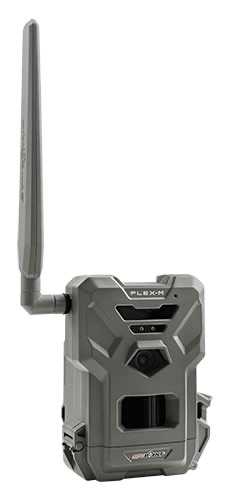
Cellular cameras provide an unpressured, real-time overview of turkey activity. That means fewer trips into the woods and less disturbance. Trigger speed and recovery time are also critical. Turkeys move quickly, and lower-end cameras can miss key moments entirely.
High-quality video capabilities add another layer of insight. With strong audio and video clarity, you can observe dominance displays, flock hierarchy, feeding behavior, and even predator interactions. That level of detail goes far beyond a single snapshot and provides a much deeper understanding of flock dynamics.
4. What are best management practices when using cameras to improve and protect wild turkey populations?
Dan Rensel:
Camera placement is everything.
Position cameras in meaningful locations, near known roosting areas (at a respectful distance), established strut zones, seasonal food sources, and travel corridors between open areas and timber.
The information gathered should guide habitat improvements. If birds consistently use open areas, that may signal a need for more thinning, prescribed fire, or native forage development. Cameras don’t just help you hunt smarter, they help you manage smarter.
5. Can you share a personal example of how cameras changed your understanding of turkey behavior?
Dan Rensel:
I’ve used game cameras, especially cellular models, for many years, and they’ve become one of the most valuable tools in my scouting and management toolkit.
Over time, they’ve shown me exactly when turkeys return to their breeding ranges in several of my hunting areas. It’s not precise clockwork, but it’s impressively consistent. That pattern recognition has helped me identify the most productive windows to target specific groups of gobblers during the spring season.
Cell cameras have also saved me countless hours. Some of my hunting properties are more than an hour away. Real-time updates prevent unnecessary trips when birds aren’t active and allow me to focus on areas that are heating up. That ability to make timely, data-driven decisions has made cellular cameras a true game-changer.
6. How does turkey management differ from deer management, and can cameras help with that difference?
Dan Rensel:
Turkeys and deer use habitat very differently.
Turkeys rely heavily on visibility and line of sight for predator detection. They prefer open timber, thinned areas, and accessible food plots. Habitat management often involves prescribed burning, disking fields to promote native forbs, and opening the canopy to allow sunlight to reach the forest floor.
Deer, on the other hand, depend more on cover. Thick bedding areas, dense edges, and shrubby vegetation provide security, fawning areas, and escape routes.
Game camera strategy should reflect those differences.
For turkeys, focus on:
- Daylight strut zones in late winter and spring
- Field edges and open feeding areas
- Time-lapse mode on larger fields to monitor broad movement patterns
For deer, camera placement typically centers around:
- Travel corridors and trails
- Rub lines
- Scrapes
- Feeding areas with heavy cover nearby
Understanding how turkeys interact with habitat allows landowners and hunters to tailor both their scouting and their management strategies accordingly.
And it saves us a lot of time we can devote to other things like family, friends, and work.
Jay Pinsky, Editor - The Hunting Wire & The Archery Wire
jay@theoutdoorwire.com